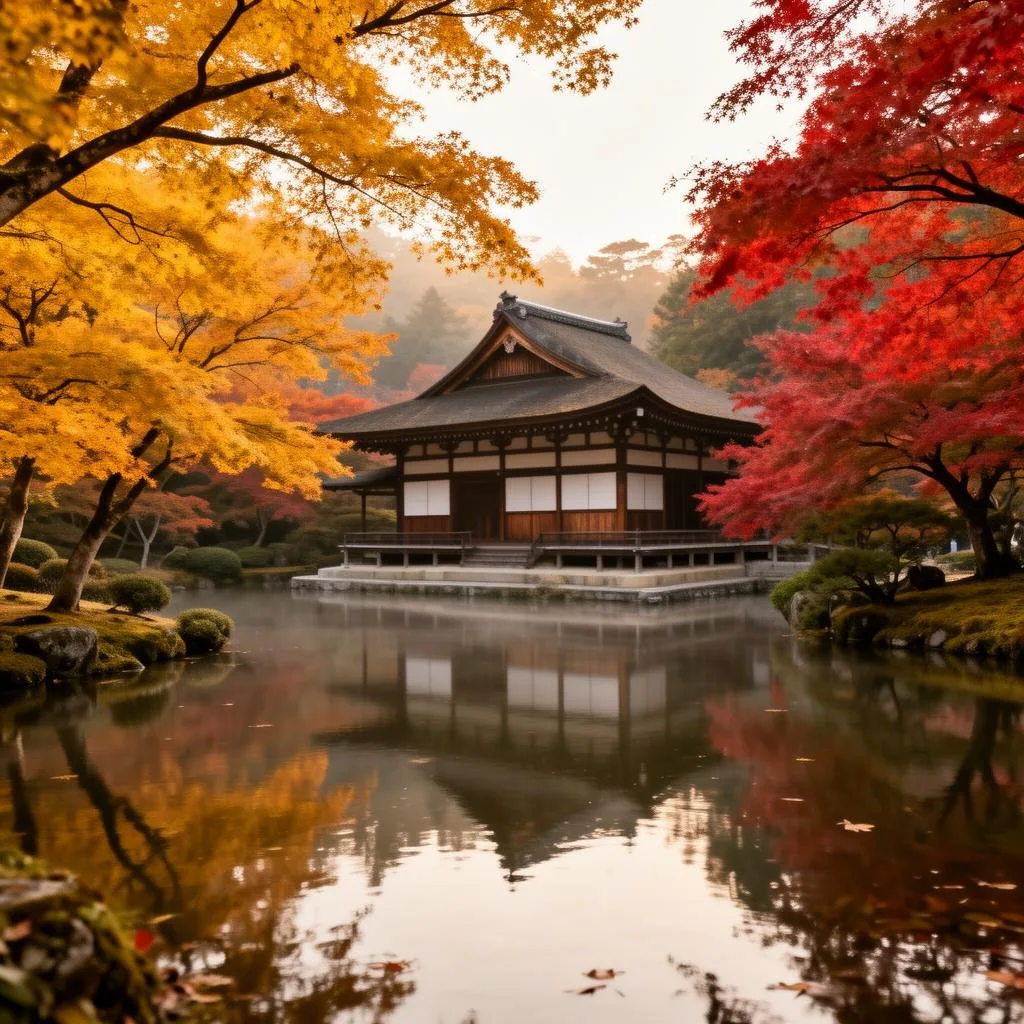
Kyoto
Temples, tea, and timeless tradition
- Best time
- Mar – May / Oct – Nov
- Language
- Japanese
- Currency
- Yen (¥)
- Time zone
- JST (UTC+9)
A thousand years of craft and ceremony, kept alive in quiet lanes, gardens and tea houses.
Kyoto is where Japan's past lives and breathes. Around 2,000 temples and shrines are woven into the city's fabric, not as museum pieces but as active places of worship, ceremony and community. The torii gates of Fushimi Inari, the golden pavilion of Kinkaku-ji and the bamboo groves of Arashiyama are each iconic, and each rewards a return visit.
The city's genius is in its layers. A street that looks ordinary reveals a hidden tea house behind a noren curtain. A residential neighborhood opens onto a centuries-old garden. The geisha district of Gion comes alive at dusk with the sound of the shamisen and a glimpse of kimono. Kyoto doesn't shout. It whispers, and you lean in.
The food alone is worth the journey. Kaiseki dining is an art form here, but so is a perfect bowl of matcha, a pot of yudofu simmered in kombu broth, or handmade soba from a shop that has been open for generations. Every meal feels considered.
The essentials of Kyoto.
- South Kyoto
Fushimi Inari Taisha
Thousands of vermilion torii gates climb the forested slopes of Mount Inari. The shrine never closes, so go at dawn and keep walking past the first viewpoints, where the crowds thin out.
- West Kyoto
Arashiyama
Walk the bamboo grove early, then visit the garden at Tenryū-ji and cross the Togetsukyō Bridge. It's at its best in autumn, when the hills turn red and gold.
- East Kyoto
Higashiyama and Gion
Stone lanes lined with wooden machiya lead from Kiyomizu-dera down to Gion. Some private lanes in Gion ban photography, so follow the signs and respect the residents.
- Northern Higashiyama
The Philosopher's Path
A canal-side walk between Ginkaku-ji and Nanzen-ji, lined with cherry trees, small temples and cafés. It's beautiful in spring and peaceful all year.
- Across the city
A tea ceremony
Kyoto is the home of the Japanese tea ceremony. A small, guided ceremony in a traditional tea room is one of the most memorable hours you can spend here.
Find your season.
Pick a month to see the weather, the crowds and anything that closes.
Warm and sunny. Golden Week (around 29 April to 5 May) brings domestic crowds and higher prices.
Mild weather and greener gardens, with more space at the major sights.Choose your base.
Higashiyama
Close to Gion and the old lanes, where you can walk out to the temples before the day-trippers arrive.
AtmosphereNear Kyoto Station
Modern hotels with fast connections to Nara, Osaka and the airport.
Day tripsArashiyama
Riverside ryokans with hot spring baths, peaceful once the crowds go home.
A ryokan stayA first trip to Kyoto, planned.
A balanced plan to start from. In Luxely, you can reshape it around your own pace and share it with the people you travel with.
Plan it in LuxelyOld Kyoto
- MorningFushimi Inari at dawn
- AfternoonKiyomizu-dera and the Higashiyama lanes
- EveningGion at dusk, then a kaiseki dinner
West Kyoto
- MorningThe Arashiyama bamboo grove before 8am
- AfternoonTenryū-ji garden and a river walk
- EveningA soak at your ryokan
Gardens and tea
- MorningThe Philosopher's Path
- AfternoonA traditional tea ceremony
- EveningNishiki Market, then dinner in Pontochō
The small things that help.
- Add a Suica or ICOCA card to your phone for buses and trains.
- Cherry blossom (late March to mid April) and autumn color (mid to late November) are peak. Book six months ahead.
- Remove your shoes in temples, ryokans and many restaurants, so wear shoes that slip on and off easily.
- Carry some cash for smaller shops, restaurants and shrines.
- Visit the biggest sights early in the morning or late in the afternoon, when they're calmest.